Community-led monitoring
Track service barriers, community experience and follow-up actions that improve access, quality and accountability.
Learn more →GCNM supports Ghana’s malaria elimination agenda through community engagement, digital reporting, social and behaviour change, equity-focused outreach, community-led monitoring and strengthened local implementation structures.
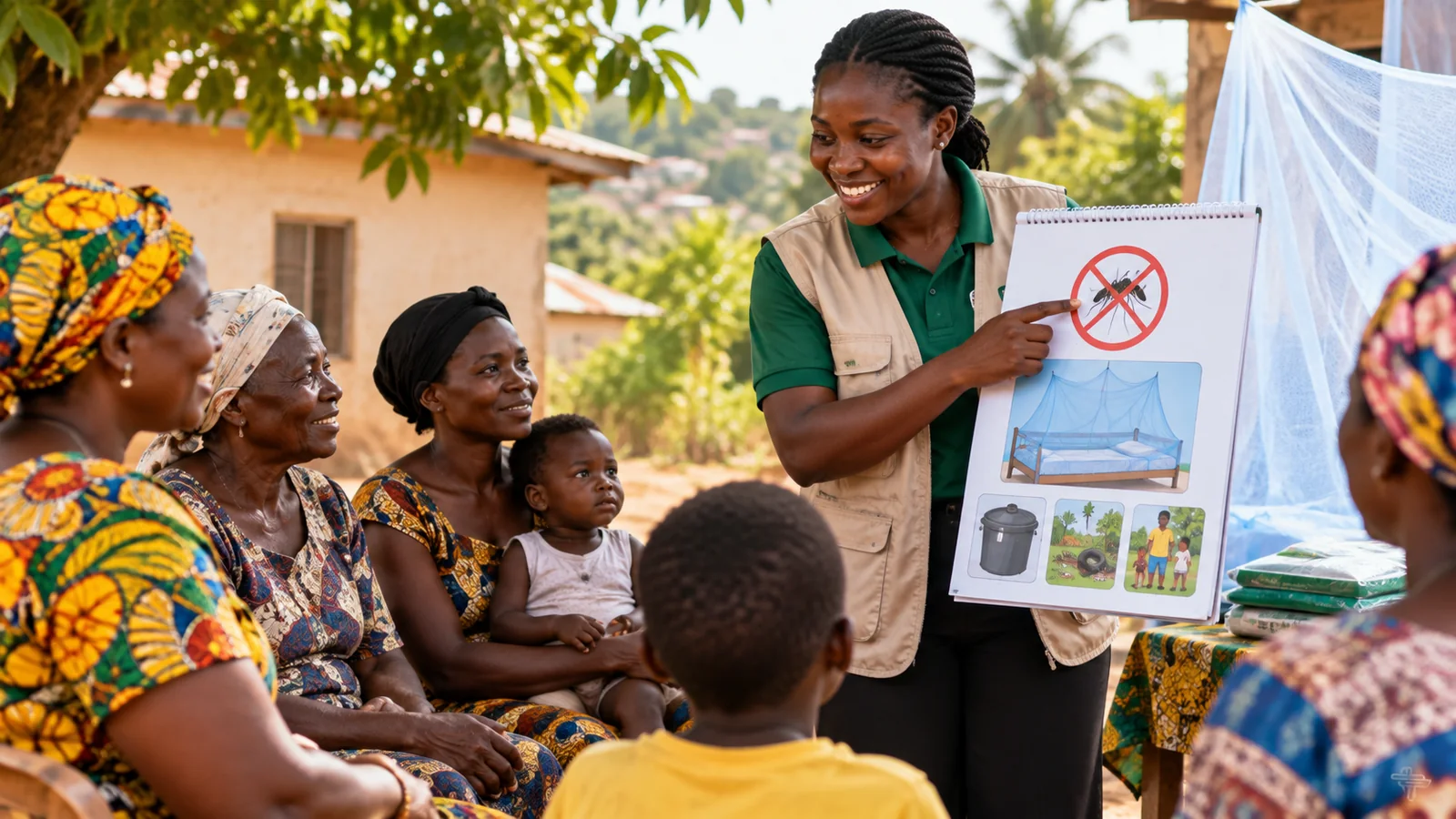
GCNM connects local organisations, volunteers, health services and decision-makers so community evidence can improve malaria prevention, access, accountability and follow-up.
See impact & accountability →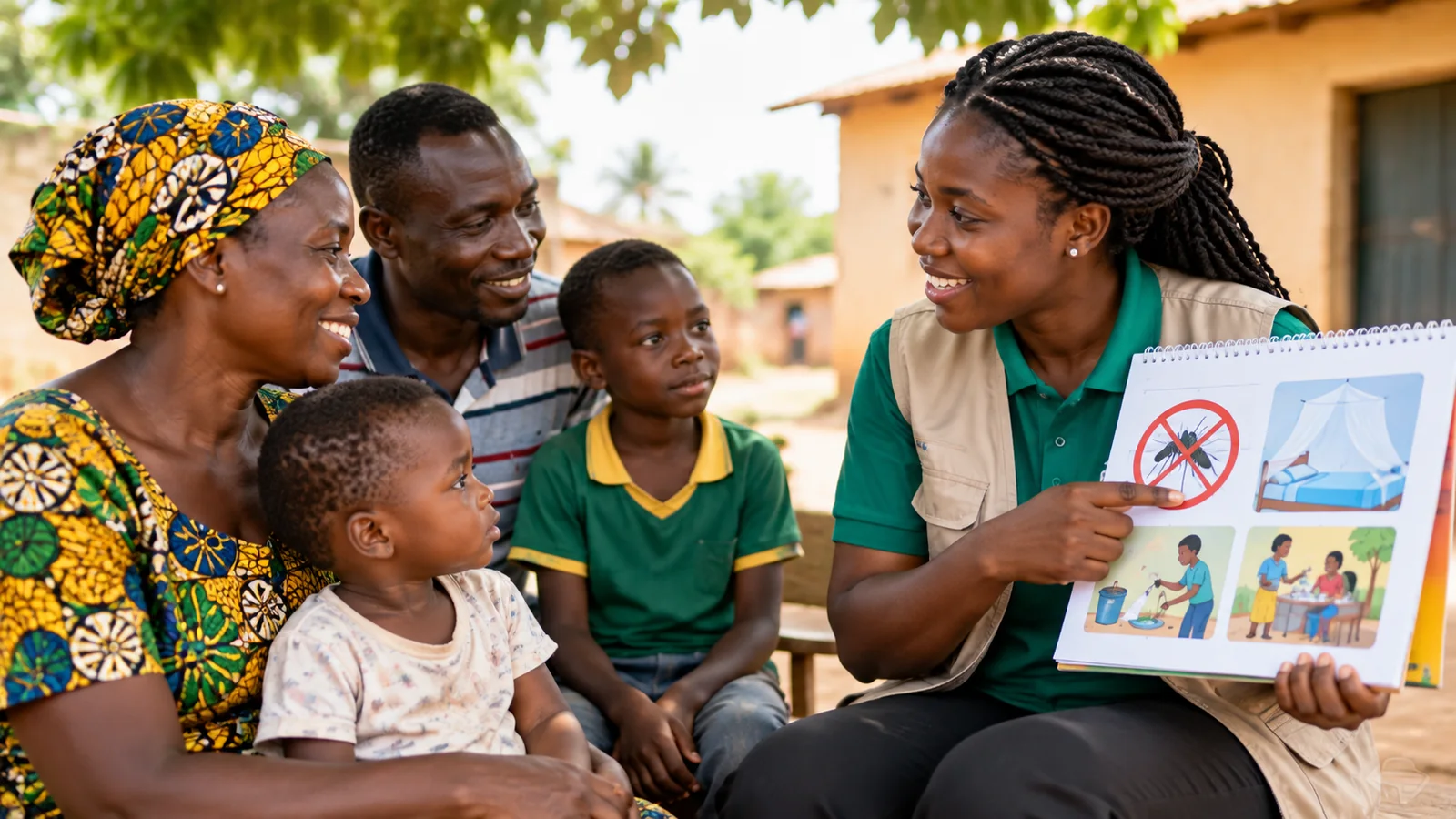
GCNM’s work connects people, local organisations and health-system partners across different stages of malaria programming.
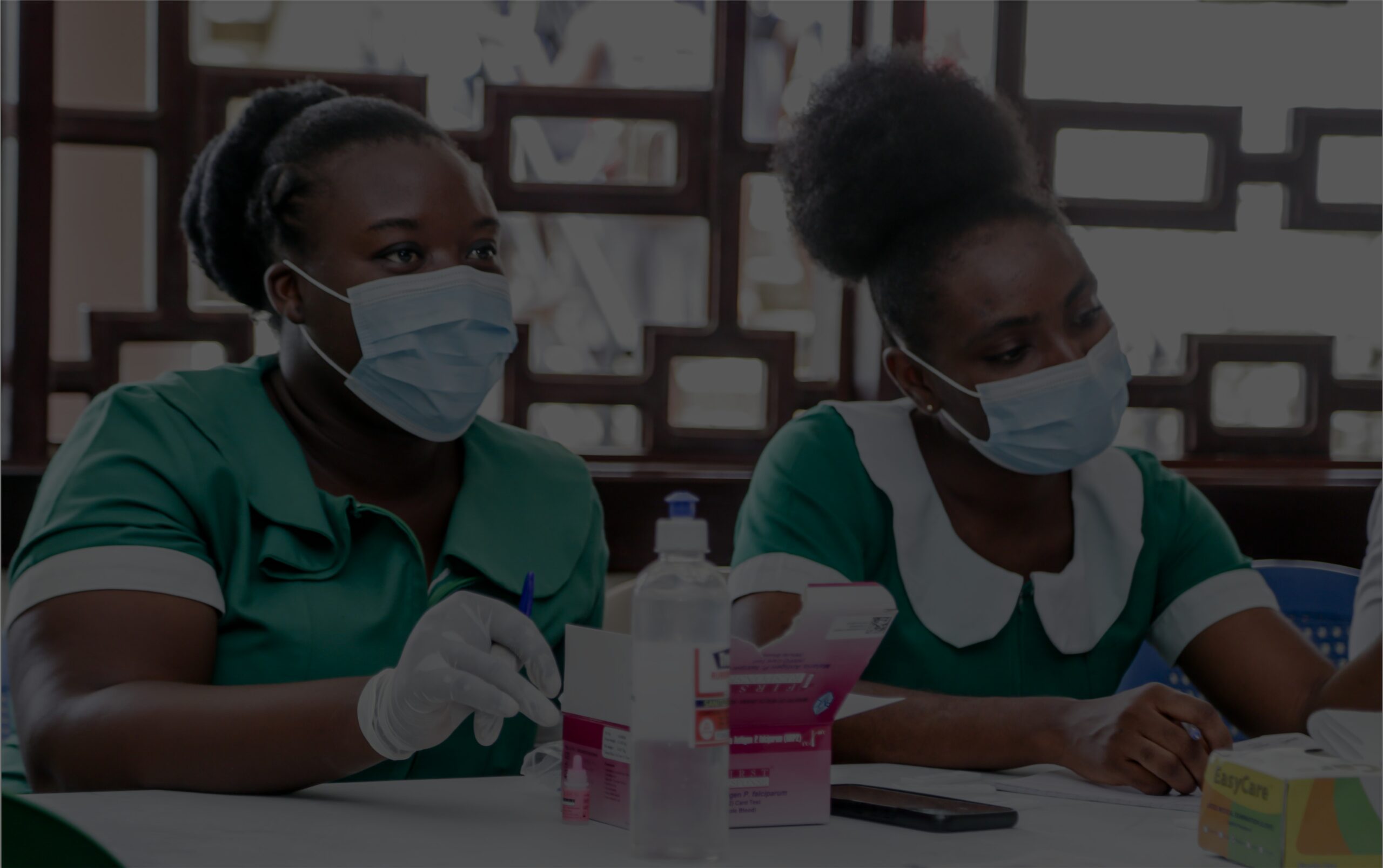
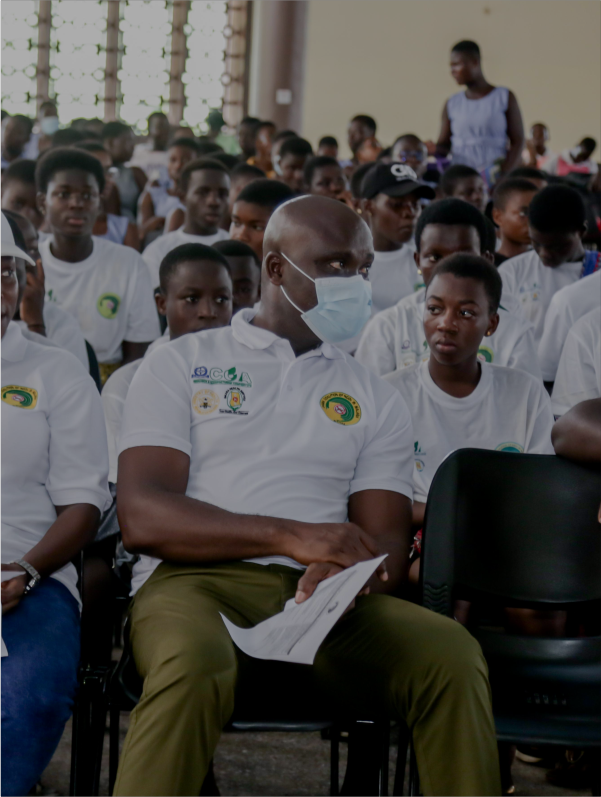
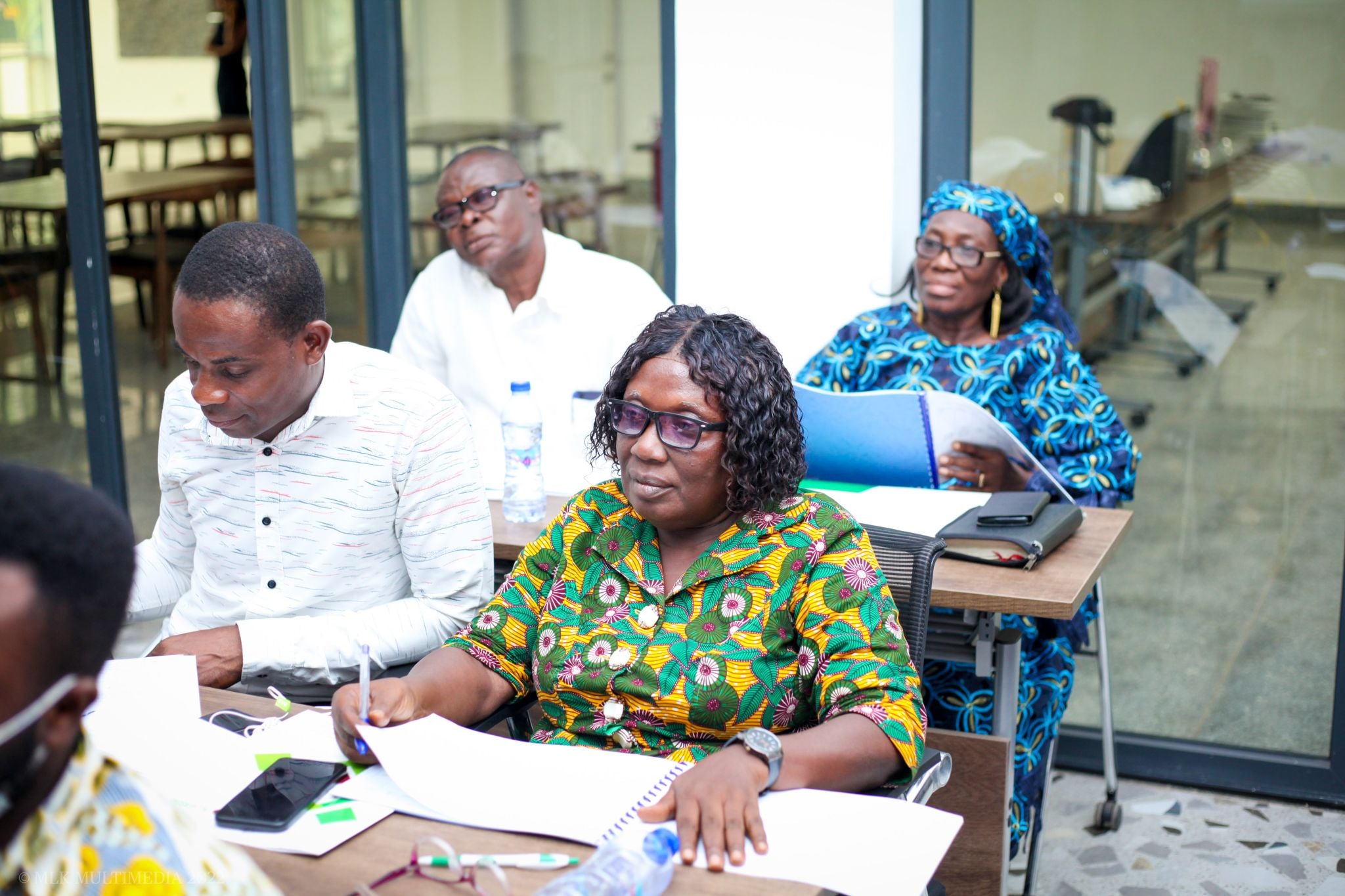
Presented for engagement with NMEP, the framework connects civil society action to prevention, service access, accountability, data use and stronger local implementation systems.
Community support for ITN distribution, post-campaign monitoring, net hanging, household education and use tracking.
Explore priority → 02Digital community-generated evidence on barriers to prevention, diagnosis, treatment access and service quality.
Explore priority → 03Year-round, culturally appropriate engagement to improve prevention, care-seeking, ITN use and treatment adherence.
Explore priority → 04Community identification, follow-up, referral and communication to improve ANC attendance and IPTp uptake.
Explore priority → 05Stronger referral, diagnosis and treatment support for remote, vulnerable and hard-to-reach populations.
Explore priority → 06Community-supported data collection, active case detection, coverage surveys and stronger district-level data use.
Explore priority → 07Governance, financial management, reporting, leadership, compliance and stronger CSO partnerships for sustainability.
Explore priority →GCNM is integrating human rights, gender, health equity and climate resilience across community systems, monitoring, outreach and malaria programme accountability.
A rights-based and equity-oriented malaria response seeks to ensure that every person can obtain information, prevention, diagnosis and treatment without avoidable discrimination, exclusion or harmful barriers.
Explore the framework →Climate and weather influence malaria transmission, community vulnerability and service continuity. GCNM’s role is to connect local evidence, climate-informed preparedness and community systems so malaria action can adapt as risk changes.
Explore the framework →Equity markers help identify who is being missed; climate and service-continuity markers help identify when changing conditions may create new barriers. Both can be verified, escalated and tracked through the same accountability loop.
See the CLM approach →Our role is to organise civil society action around the practical barriers communities face, strengthen member capacity and help partners translate evidence into better delivery.
Track service barriers, community experience and follow-up actions that improve access, quality and accountability.
Learn more →Support trusted community communication that improves prevention, testing, treatment and care-seeking.
Learn more →Mobilise communities around proven prevention approaches and support local monitoring of implementation.
Learn more →Strengthen links between civil society, volunteers, CHPS, health facilities and district structures.
Learn more →Bring community evidence into review, advocacy and decision-making spaces at district and national level.
Learn more →Build stronger organisations through coordination, learning, compliance support, data use and programme management.
Learn more →GCNM creates a structured route for those observations to become coordinated action. Members mobilise communities, collect and validate evidence, raise service-delivery barriers, support follow-up and contribute to stronger malaria programming.
How GCNM works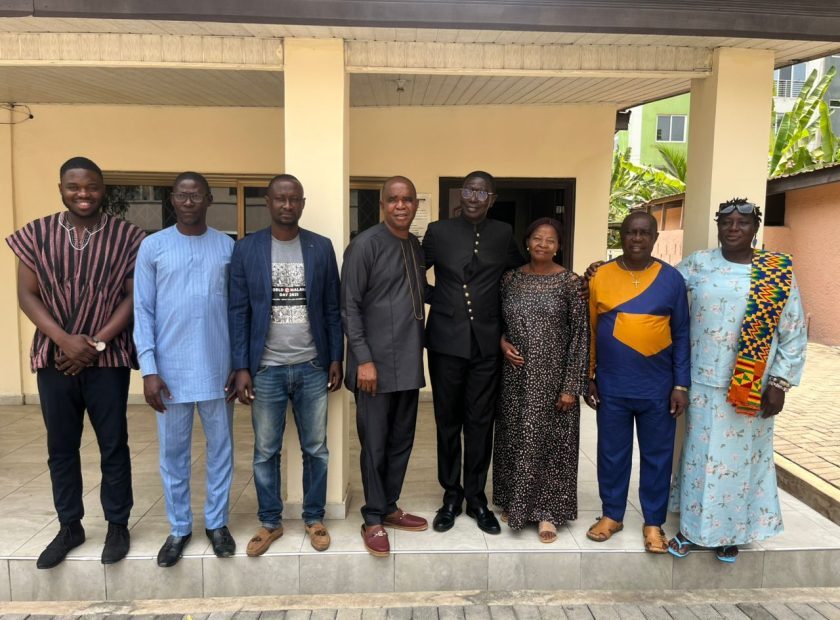
Combining climate signals, routine malaria surveillance and community observations can support earlier and more locally tailored preparedness.
20 Sep 2026Adding equity markers to CLM can help distinguish a general service problem from a barrier that repeatedly affects a particular population or location.
20 Sep 2026Climate-sensitive malaria programming needs more than weather data: it requires local evidence about exposure, access, service continuity and changing community conditions.
20 Sep 2026Partner with GCNM on community engagement, Community-Led Monitoring, social and behaviour change, outreach, learning and civil society coordination.