Re-ignite volunteerism
Build a new cadre of committed women and men for health, social and community work, with special emphasis on youth involvement.
GCNM’s role is to organise the civil-society contribution around real implementation needs: trusted communication, community mobilisation, service-quality feedback, monitoring, advocacy and local follow-up.
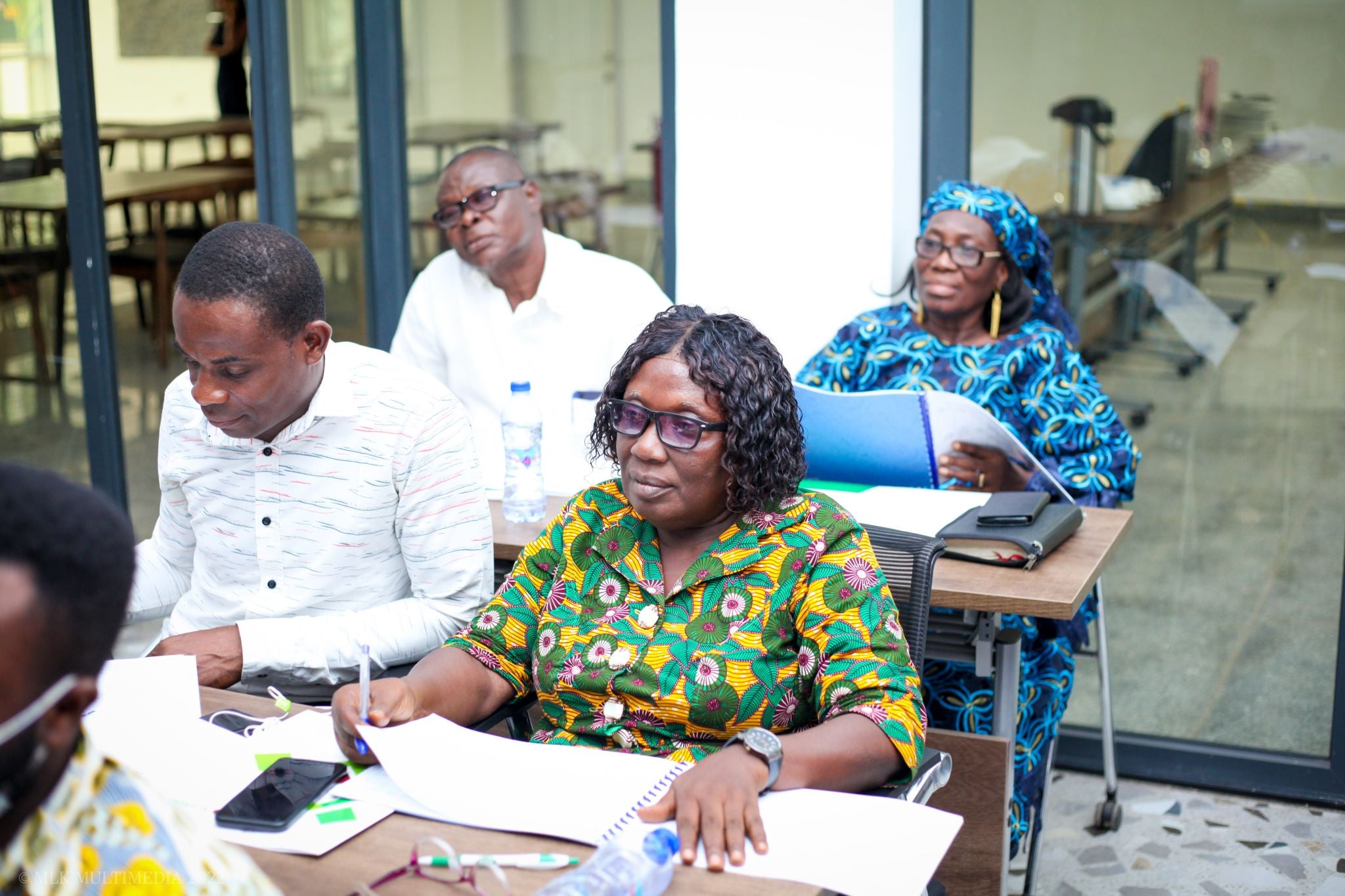
The legacy website described four enabling ambitions: re-ignite volunteerism, mobilise human resources, advocate for reform and collaborate with key stakeholders. Those ambitions continue to inform the coalition’s work today.
Preserved from GCNM’s legacy initiatives page and reframed as clear action pathways.
Build a new cadre of committed women and men for health, social and community work, with special emphasis on youth involvement.
Connect knowledge, skills, experience and expertise that strengthen organisations and community-level delivery.
Work with key stakeholders for community development and stronger malaria programme implementation.
Strengthen collaboration with communities, public institutions, private actors and development partners while advancing rights and inclusion.
These areas combine GCNM’s legacy programme priorities with current community-systems and elimination needs.
Use member reach and social and behaviour change communication to strengthen malaria knowledge, prevention and uptake of services in communities.
Explore SBC →Identify service quality, commodity, access and rights-related barriers, validate community experience and track follow-up actions with decision-makers.
Explore CLM →Leverage members and community-based actors to mobilise, monitor and support malaria prevention among pregnant women.
Explore maternal malaria prevention →Strengthen collaboration with donors, the private sector, NMEP and other health-sector partners to sustain and scale community outreach.
Partner with GCNM →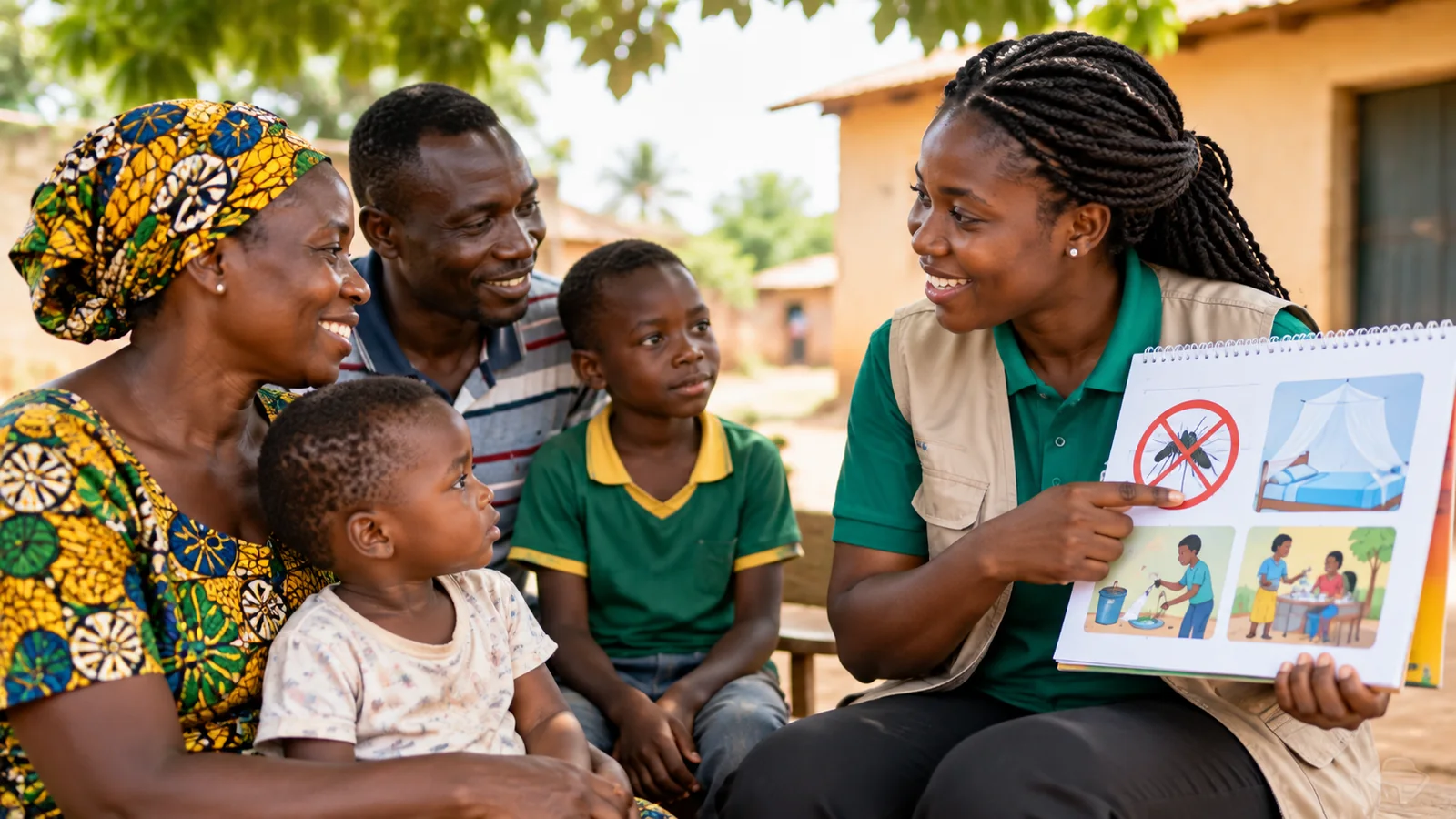
GCNM’s current direction links community outreach with evidence and accountability. The goal is not only to conduct activities but to identify barriers, document what communities experience and help ensure agreed actions are followed through.
See how CLM worksGCNM’s evolving portfolio connects legacy community strengths to Ghana’s elimination agenda.
Community support for ITN distribution, post-campaign monitoring, net hanging, household education and use tracking.
Explore priority →02Digital community-generated evidence on barriers to prevention, diagnosis, treatment access and service quality.
Explore priority →03Year-round, culturally appropriate engagement to improve prevention, care-seeking, ITN use and treatment adherence.
Explore priority →04Community identification, follow-up, referral and communication to improve ANC attendance and IPTp uptake.
Explore priority →05Stronger referral, diagnosis and treatment support for remote, vulnerable and hard-to-reach populations.
Explore priority →06Community-supported data collection, active case detection, coverage surveys and stronger district-level data use.
Explore priority →07Governance, financial management, reporting, leadership, compliance and stronger CSO partnerships for sustainability.
Explore priority →GCNM’s programme approach is built around a people-centered malaria response in which communities participate actively in prevention, surveillance, accountability and service delivery. The coalition seeks to support Ghana’s malaria elimination agenda through integrated community engagement, digital reporting systems, social and behaviour change interventions and equity-focused outreach.
Our proposed strategic priorities for the Global Fund GC8 grant-writing process are designed to strengthen implementation at community, district and national levels while supporting vulnerable populations, including pregnant women, children and hard-to-reach communities.
Community support for ITN distribution, post-campaign monitoring, net hanging, household education and use tracking.
Explore priorityDigital community-generated evidence on barriers to prevention, diagnosis, treatment access and service quality.
Explore priorityYear-round, culturally appropriate engagement to improve prevention, care-seeking, ITN use and treatment adherence.
Explore priorityCommunity identification, follow-up, referral and communication to improve ANC attendance and IPTp uptake.
Explore priorityStronger referral, diagnosis and treatment support for remote, vulnerable and hard-to-reach populations.
Explore priorityCommunity-supported data collection, active case detection, coverage surveys and stronger district-level data use.
Explore priorityGovernance, financial management, reporting, leadership, compliance and stronger CSO partnerships for sustainability.
Explore priorityHuman rights, gender, health equity and climate resilience are applied across the programme framework rather than treated as isolated themes.
Remove avoidable barriers to malaria information, prevention, diagnosis and treatment while strengthening participation, dignity, non-discrimination and accountability.
Explore cross-cutting priorityUse community intelligence, climate-informed surveillance and resilient local systems to anticipate changing malaria risks and protect continuity of services.
Explore cross-cutting priorityGCNM also seeks to support the social mobilization component of Seasonal Malaria Chemoprevention through CSO-led community mobilization, sensitization, caregiver awareness and household engagement in collaboration with NMEP, Regional Health Directorates and District Health Teams.
Read the SMC social mobilization approach